
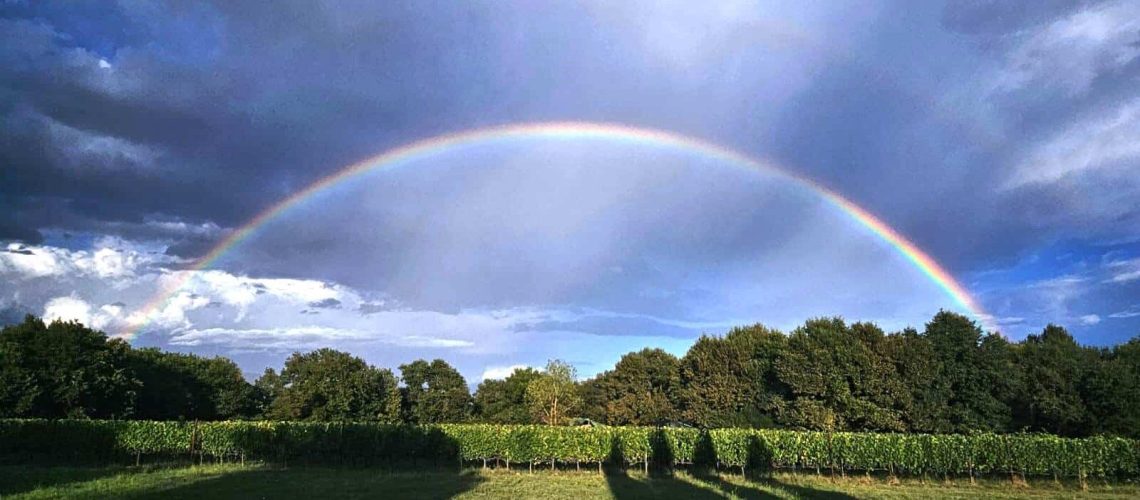
Conclusions.
We have reached the end of this journey. At this point, two important reflections emerge.
First reflection.The first reflection concerns the number of principles: why eight and not ten, fifteen, or perhaps fewer than eight? I chose the number eight for several reasons, but the two most important are these.
The first is that eight seemed to me a balanced number, well suited to describe the MAN Method. Adding more principles could have made it unnecessarily fragmented.
The second reason lies in the symbolic qualities of the number 8, closely associated with concepts such as balance, harmony, infinity, renewal and synergy, which are also the guiding principles of the MAN Method. The Pythagoreans regarded the number 8 as a symbol of perfection and completeness. In ancient Egyptian civilization, the number eight was linked to creation: the Ogdoad of Hermopolis represented eight primordial deities, arranged in male and female pairs, embodying the fundamental forces of creation. In Chinese culture, the number 8 has long been regarded as a symbol of prosperity and good fortune. Finally, it is worth remembering that the octagon, a geometric shape closely connected with the number 8, is often used in sacred architecture, such as Christian baptisteries and temples, to symbolize the bridge between the earth (the square) and the heavens (the circle).
If we wished to explore further, we would discover many more symbolic meanings associated with the number 8. However, let us stop here, because the connection between earth and sky remains the central concept. This idea lies at the heart of many agricultural philosophies, including biodynamics, where the land is viewed as a living organism in constant dialogue with cosmic forces. It is no coincidence that biodynamic preparations 500 and 501 are specifically intended to strengthen this connection.
Second reflection.The second point worth emphasizing, as you may have noticed, is that whenever we discuss one principle, it inevitably brings all the others into the picture, because none of them can exist in isolation. This is perfectly natural and reflects what has been repeated throughout this series: in nature,everything is interconnected,and everything is intimately linked.
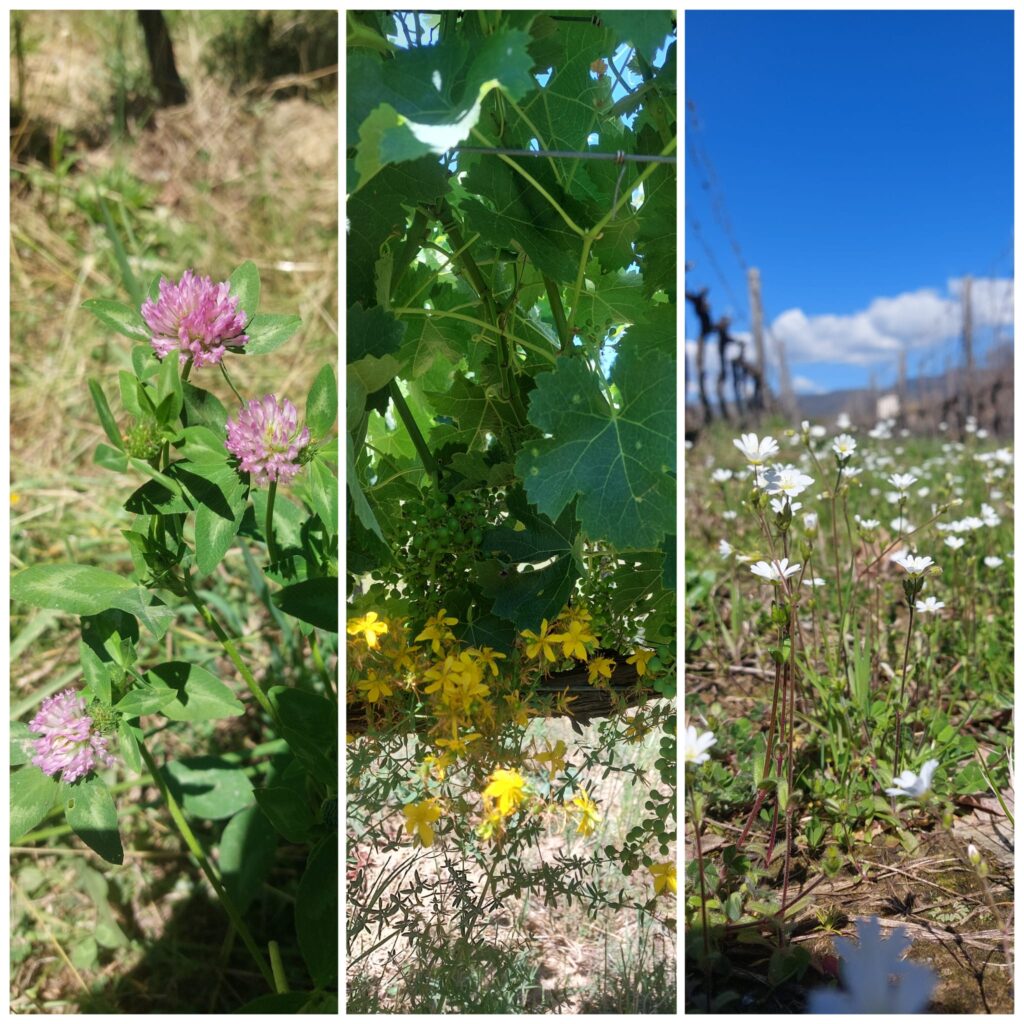
Think about natural cycles, symbioses (cooperation between species), and ecological networks. For me, simply observing the seasonal cycle of annual wild plants is already a source of wonder. With the arrival of spring, the soil needs to be regenerated, purified, and revitalized, and this is when dandelion, nettle, shepherd’s purse, and watercress begin to appear. Then comes summer: herbs bloom, cool and perfume the environment, attracting pollinators. This is the season of chamomile, mint, lemon balm, and many other medicinal herbs. By late summer, however, the soil becomes hard and very warm. Most annual plants die, nourishing the next cycle of life. Then emerge remarkably resilient herbs with deep roots, often aromatic and rich in essential oils. This is the season of the beautiful blue and violet flowers of wild chicory, wild fennel, plantain, and wild carrot.
The life cycle of wild herbs is a perfect example of balance and interconnectedness. If we observe carefully, spontaneous plants follow nature’s rhythm: in spring they purify and regenerate the soil; at the beginning of summer they reach their peak, attracting pollinators and filling the air with their fragrance; by late summer they produce seeds and complete their cycle, preparing the land for its winter rest.
Nothing could be simpler—and at the same time, more complex.Nature is like this: so complex that it appears simple, and so simple that it reveals profound complexity. Beneath its apparent simplicity lies an intricate network of relationships that operates with such grace and efficiency that it almost seems effortless. This paradox invites us to look beyond appearances and understand that simplicity and complexity are not opposites, but two sides of the same coin.
It is a celebration of the beauty of the systems, ideas, and experiences that surround us, encouraging us to discover what is truly essential within the process—the “journey of discovery.” Rather than being overwhelmed by complexity, we can look for the common thread that gives meaning to the whole. We must learn to look beyond appearances, whether we are facing complexity that seems chaotic or simplicity that appears ordinary. This invites us to cultivate a deeper awareness, capable of recognizing the fundamental truths and the hidden wonder in everything around us. It is a tribute to curiosity, contemplation, and discovery.
This is why the MAN Method places such great emphasis on observation.
In agriculture, observation is the key to understanding nature and working in harmony with its rhythms and needs. This ability, which requires attentiveness, knowledge, sensitivity, and patience, transforms the farmer from a simple operator into a true steward of the land.
We must observe:
- To understand the environment:the soil, the seasons, and the plants.
- To assess harmony with nature:natural cycles, insects, and wild plants.
- To identify problems that need to be addressed:pests, imbalances in the soil, and plant health issues.
- To enhance biodiversity:local flora and fauna, and companion planting.
- Out of respect and gratitudefor the wonder that nature continually offers us.
An invitation to change our perspective.
And so we come to the conclusion of the MAN Method, which is far more than a collection of rules and techniques—it is an invitation to change the way we see the world.
We should reflect on the contrast between nature’s aesthetic and harmonious language and the rational, cultural language of humankind. Nature expresses itself through phenomena, images, and beauty, using a universal language that conveys balance and cyclical rhythms. Every natural event—like a seed retreating into the soil to gather energy before emerging towards the sun—is part of this universal melody.
Humanity, on the other hand, has created its own language, made up of words, moral codes, and values, which often falls out of harmony with nature’s language. Although human morality is inspired by nature’s ethics, it frequently transforms them into conflicts, ideologies, and judgments of good and evil. Shade, which in nature represents regeneration and wisdom, is instead perceived by humans as a symbol of negativity and discomfort.
The oak tree, which symbolically connects earth and sky, reminds us of the importance of remaining deeply rooted without forgetting our origins. Yet modern society often ignores this connection, seeking to control nature rather than cooperate with it.
Applying a natural agricultural method is possible, but first of all I invite you to “understand the language of beauty.” This means letting go of the desire to dominate nature and instead learning to listen to it and live in harmony with it. It is a journey that requires humility, sensitivity, and attentiveness—qualities that are often overlooked in the rush of modern life.
As the parable of the man who finds success only when he stops chasing it suggests, true fulfilment comes when we embrace nature’s rhythms and welcome the small gestures of life with simplicity.
Warm regards,
Giovanni Batacchi