
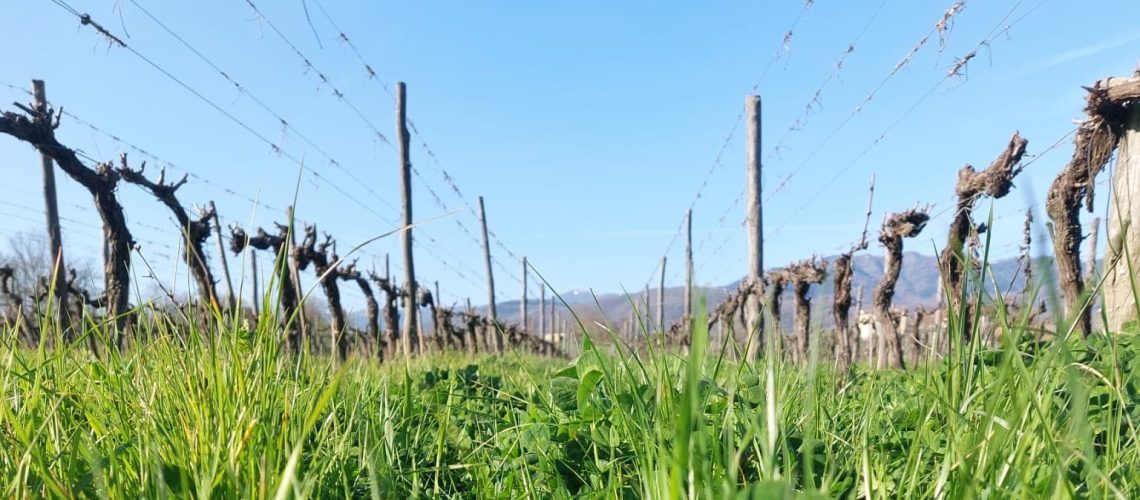
Principle No8
We have now reached the last of the eight pillars on which the MAN Method is founded:adaptation to changing climatic conditions.
For many years, at the end of each growing season, I have written an immediate reflection on the vintage just completed (seeThe Vintages: How to Recognise a Good Vintage).Looking back through these reflections, I realise that what was once considered “abnormal” has now become the norm, while a regular vintage has become the exception—as was the case, for example, in 2015.
We are witnessing a series of extreme weather phenomena:
- Extraordinarily hot and drought years:2003, 2011, 2017, 2022.
- Late spring frosts:2017, 2021.
- Intense hailstorms:2016.
- Extremely wet springs followed by record droughts and heats:2023 and, in part, 2024.
The phrase “I’ve never seen anything like it” is now on everyone’s lips, even the oldest.
In Tuscany, despite being one of the regions of Italy with a traditionally more temperate climate, we clearly feel the signs of climate change:
- Rising temperatures:increasingly mild winters and fewer frost days than in the past.
- Changes in precipitation patterns:rainfall tends to be concentrated in extreme events, while dry spells become longer.
- Extreme weather events:sudden storms, hailstorms, late frosts.
- Effects on ecosystems:native plant and animal species are increasingly threatened.
These signals are a stark reminder of the urgency of decisive and coordinated action, locally, nationally and globally, to mitigate and adapt to the effects of climate change.
One of the most significant problems to be addressed isdroughtandwater stress, but heat waves are inevitably associated with phenomena such ashailstorms.
In the past, urban areas were more limited and surrounded by countryside. Today, overbuilding has supplanted much of the green space. Wherepolycultureused to dominate,monoculturenow prevails, making the problem even worse. The elimination of greenery and deforestation have contributed to rising temperatures, reducing shading and the albedo coefficient.
The consequence is that these practices promote atmospheric instability: warm air on the ground, rich in water vapor, rises rapidly to the cooler layers of the atmosphere (a phenomenon known asconvection), increasing the likelihood of hailstorms.
Maintaining greenery, forests and woodlands is essential to reducing global warming and stabilizing the climate. In contrast, overbuilding and evenindustrial viticulture, with continuous and invasive soil tillage, promote conditions for heat waves. The latter, in turn, increase atmospheric instability, generating violent storm events as well as hailstorms.
Mitigation of the effects of climate change also comes throughreforestationandforest protection, strategies that can reduce the frequency and intensity of these extreme events. This intertwining of different climate and land dynamics highlights the need forsustainableland and natural resource management.
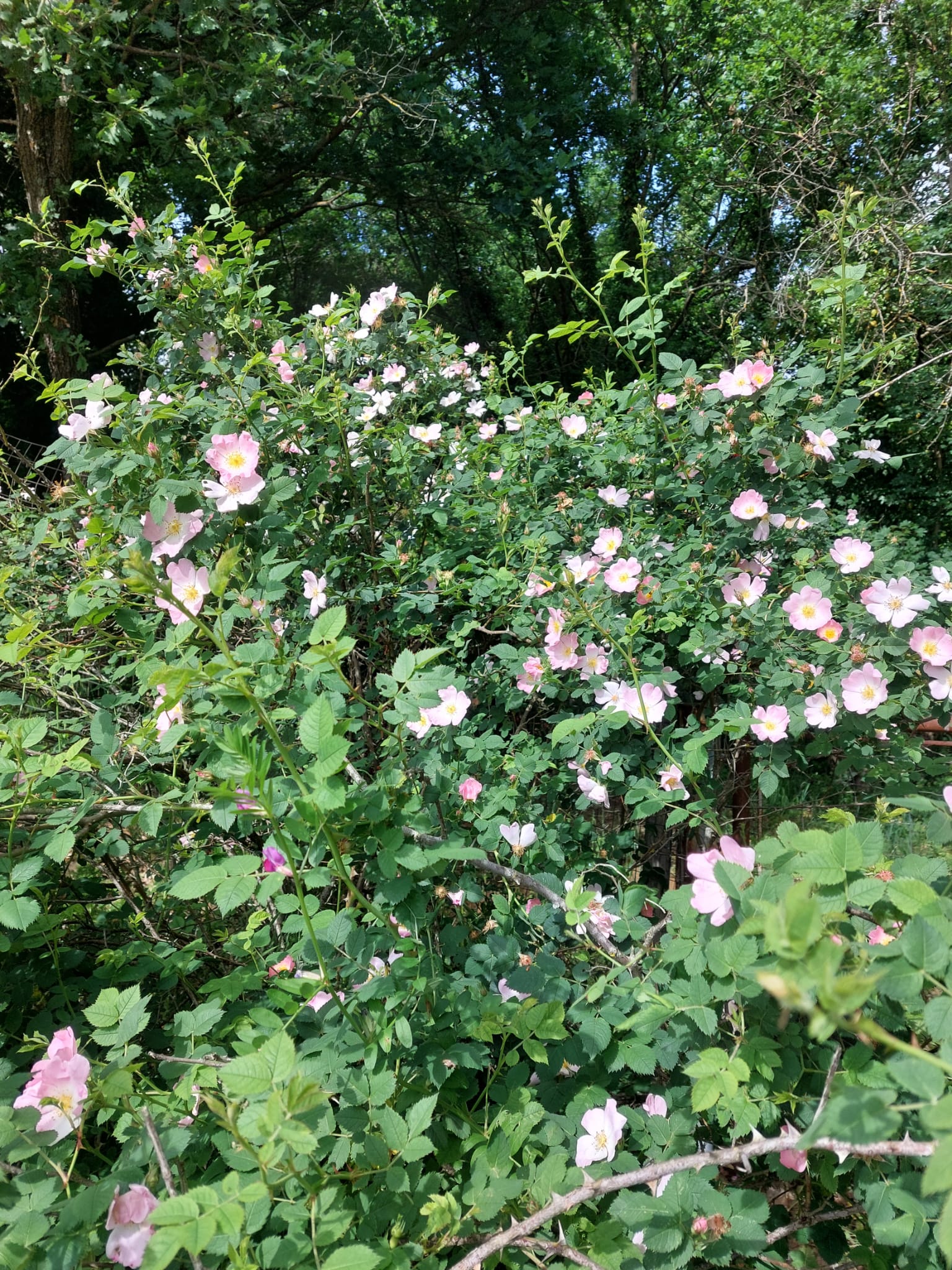
A method such asMAN(Natural Agricultural Method), which promotes biodiversity, agroforestry and sustainable farming practices, creates the conditions for greateradaptability to climate change:
- Biodiversity:promotes reduced vulnerability to pests, diseases and climate change, as each species contributes uniquely to the ecosystem;
- Agroforestry:improves microclimate regulation, water retention, and erosion protection; and trees absorb CO₂, contributing to global warming mitigation.
- Sustainability:regenerative practices improve soil structure, making it more resilient to extreme events such as droughts and floods; healthy soils rich in organic matter retain more water, releasing it gradually; integration of vineyards with hedgerows and tree plants creates complex and resilient ecosystems.

Conventional agriculture, on the other hand, proposes different paths, such as:
- Development ofresistant varieties(biotechnology and GMOs).
- Use ofadvanced fertilizers and pesticides.
- Mechanization and automation.
- Adaptation to large monocultures, withagricultural insuranceandemergency fundsto compensate for losses caused by extreme weather events.
- Economies of scale and centralization.
However, this approach has significant limitations:
- Technology dependenceand high initial costs.
- Reduced biodiversityand negative environmental impacts (intensive fertilizers and pesticides, even if advanced, can cause long-term damage).
- Limited social sustainability:tends to exclude small farmers, exacerbating rural inequalities.
- Standardization of production,reducing adaptability to local context.
- Short-term focus,neglecting long-term sustainability.
In contrast, farming according to nature represents an approach that focuses on collaboration with natural cycles,soil regeneration,biodiversityandlasting sustainability. An example of this philosophy ispolyculture, which allows multiple species to be grown in the same plot, making the most of natural synergies. Each plant contributes to the overall balance of the ecosystem, making it less vulnerable to pests, diseases and climate change.
Farming in harmony with naturemeans workingwith the environmentrather than against it, providing healthy food and creating more balanced landscapes for future generations. The MAN Method offers solutions that are more sustainable, cost-effective and better suited to small and medium-sized farms, while respecting the harmony of natural cycles.
The industrial model, on the other hand, focuses on advanced technologies and high yields, often at the expense of biodiversity, soil health and affordability.
The following comparison shows how the MAN Method, when applied toviticulture,promotes high-quality wine production that respects the environment and adapts to climate change, with a strong focus on biodiversity, resilience and the enhancement of local grape varieties.
Comparative Overview of Viticulture
| Category | MAN Method | Industrial Method |
| Soil preparation | –Shallow soilpreparation to minimise soil disturbance while preserving its natural structure and microbial life. | –Deep mechanical ripping(often exceeding 1 metre) to increase root penetration. |
| – Use of hand or light tools to reduce the impact on the soil | – Heavy machinery that compacts the soil and can alter the water balance. | |
| Planting | –Manual plantingof young vines,avoiding root pruningto encourage natural establishment and balanced growth. | –Mechanised plantingwith partial root pruning to facilitate deeper planting. |
| – | Great care is taken in positioning the roots to ensure natural contact with the soil, with deep watering using natural products that stimulate root development. | –Standardised planting procedures designed to speed up the process, often at the expense of the natural relationship between roots and soil. |
| Soil management | –Permanent cover crops preserve soil structure and fertility. | –Mechanical tillage may be used to improve aeration and facilitate field operations. |
| – Natural mulching (e.g. straw, compost) to retain moisture and prevent erosion. | – Chemical fertilisers to ensure rapid growth and constant yield. | |
| – Wild cover crops (e.g. clover) to improve soil health and reduce weeds. | – Grassing often followed by chemical herbicides on the row to eliminate competition between weeds and vines. | |
| Biodiversity | –Companion planting of vines with aromatic plants (e.g. lavender and rosemary) to attract pollinators and naturally repel pests. | –Monoculture vineyards with standardised high-yield vines. |
| – | Use of native grape varieties. | –Selection of grape varieties primarily based on perceived market demand. |
| – Preservation of hedges and habitats for beneficial insects. | – Elimination of non-productive flora to maximise cultivable space. | |
| Climate and microclimate | –Agroforestry creates shade and protects grape clusters from excessive heat and hail. | –No form of agroforestry is adopted. |
| Soil fertility | –Organic compost and natural soil amendments enrich the soil. | –Controlled-release fertilisers provide a constant nutrient supply. |
| – Rotation of neighbouring crops to enrich the soil with nitrogen and nutrients. | – Use of chemical additives to quickly correct nutritional deficiencies. | |
| Pests and diseases | –Biological pest management. | –Synthetic pesticides used to control pests and fungal diseases. |
| – Associated crops to repel pests (e.g. repellent plants). | – Use of precision chemicals distributed by drones or machinery. | |
| Cluster quality | –Well-balanced grape clusters achieved through the natural management of soil and microclimate | . –Standardised grape clusters with high yields, but sometimes lower aromatic quality. |
| Economics and accessibility | –Lower initial costs thanks to local, nature-based solutions. | –High initial investment required for advanced technologies and infrastructure. |
| – Enhancement of the quality of indigenous wines on the market. | – Mass production to compete with global markets. |
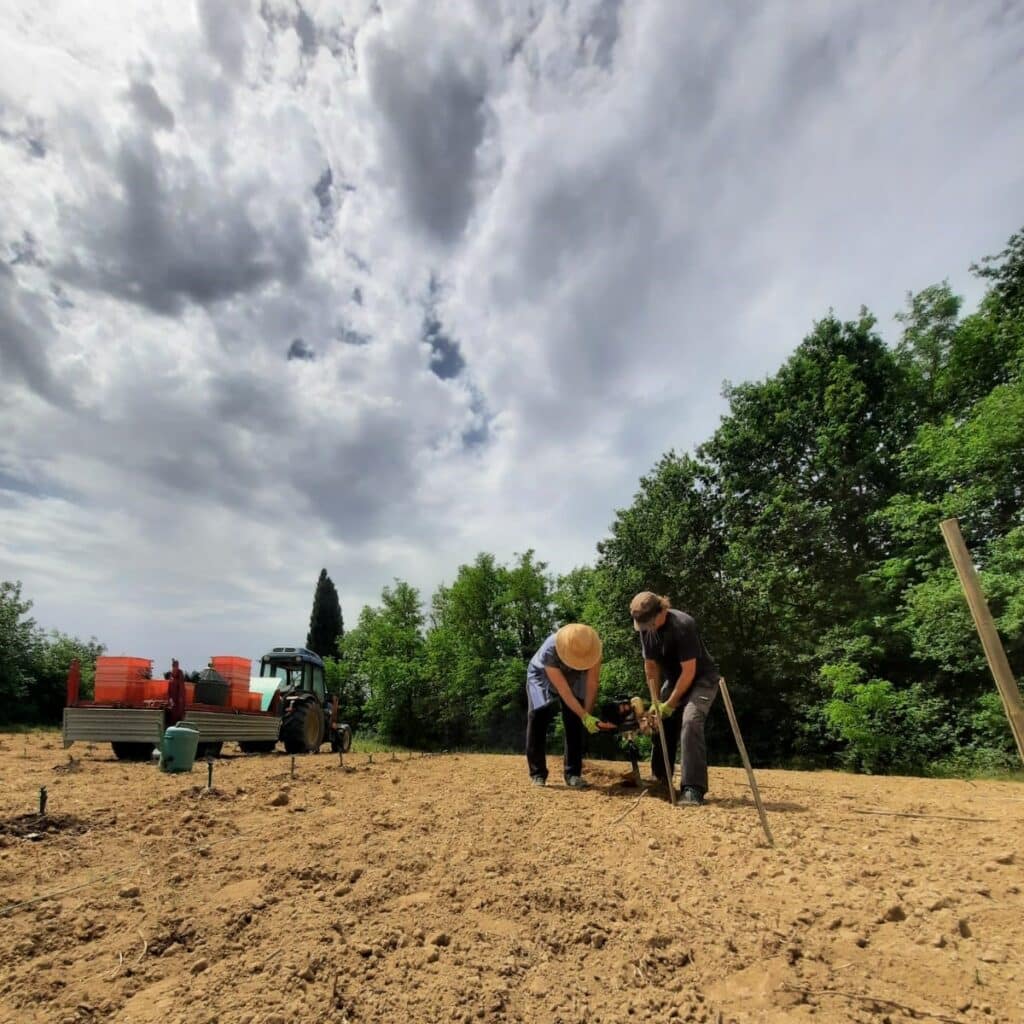
The MAN Method (Natural Agriculture Method), with its focus on biodiversity, agroforestry and regenerative practices, offers a complementary model capable of addressing many of the limitations of industrial agriculture. Combining advanced technologies with nature-based approaches could provide an effective balance for meeting the climate challenges of the future.
Integrating these two philosophies would make it possible to preserve thequality of territoriesand thehealth of ecosystemswhile enhancingagricultural production. In this way, agriculture can evolve towards a system that not only meets current needs, but also protects resources for future generations.
Ultimately,farming in harmony with nature,as proposed by the MAN Method, means investing in a more resilient, harmonious and responsible form of agriculture, capable of turning climate change from a challenge into an opportunity for sustainable innovation.I
“It doesn’t end here: in the next episode, we will explore together the final insights, where reflections and perspectives intertwine to reveal new horizons.”
Stay connected!!!