
Principle No. 5
Biodiversity and sustainability are fundamental pillars of theMAN Method. We have already introduced these concepts, but they are so important that they deserve further exploration. This agricultural approach not only promotes a resilient vineyard system but also helps preserve and regenerate ecosystems.
Strategies for Biodiversity and Sustainability in the MAN Method
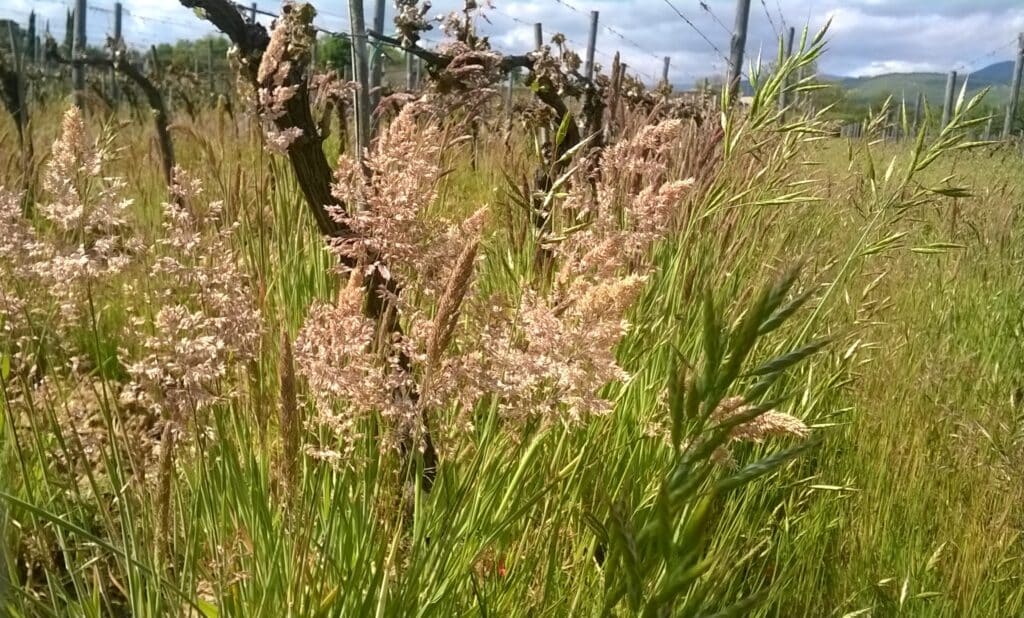
- Consociations and permanent grassing
- Promotes plant diversity in the vineyard and ensures a balanced ecosystem.
- It stimulates plant roots without requiring watering, creating a self-sustaining environment.
- Hedges and trees
- Hedges and trees, placed around and within the vineyard, improve the microclimate and attract useful species, strengthening the ecological network.
- Compost and natural fertilizers
- The use of compost enriches the soil with organic matter and beneficial microorganisms, promoting a living, fertile soil.
- Pastures and diversified crops
- Integrating horse pastures and alternative crops reduces monoculture and contributes to the balance of the system.
- Preference for local cultivars
- Enhancing native varieties means conserving the genetic heritage and increasing resilience to local climatic conditions.
- Biological control of pests
- The introduction of beneficial insects and the monitoring of plant and animal species contribute to the natural balance of the ecosystem (e.g., phytoseiid mite shelters for erinose control).
- The introduction of beneficial insects and the monitoring of plant and animal species contribute to the natural balance of the ecosystem (e.g., phytoseiid mite shelters for erinose control).
Focus on cover plants and microbial biodiversity
- Cover Crops
- Species such as clover and vetch, along with grasses, are used to improve soil structure and enrich the soil.
- Careful management of canopy cutting promotes soil regeneration and biodiversity.
- Microbial biodiversity
- Introducing mature compost and stimulating mycorrhizae promote nutrient uptake and improve vine health.
- An active microbial community is essential to ensure fertile and resilient soil.
Honey plants and the role of pollinators
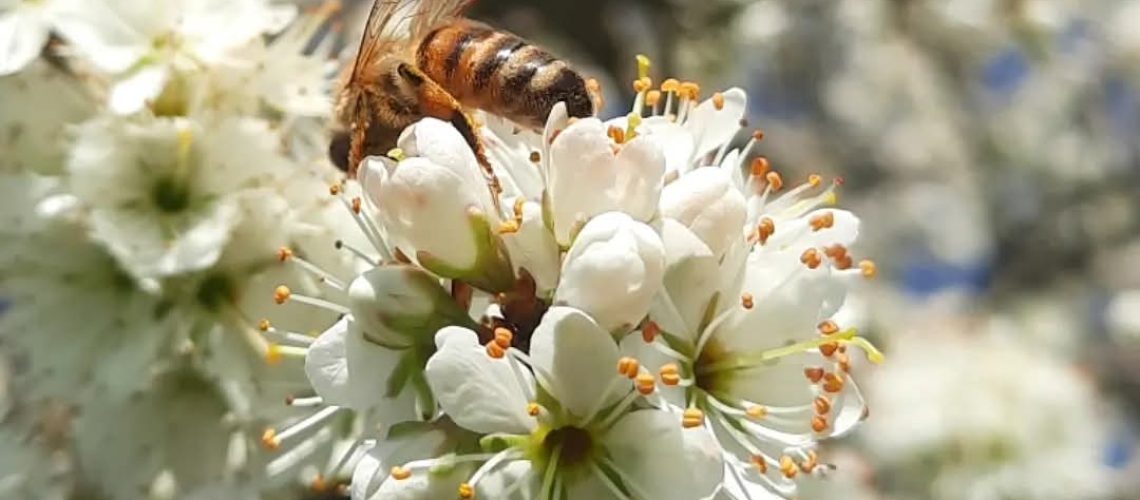
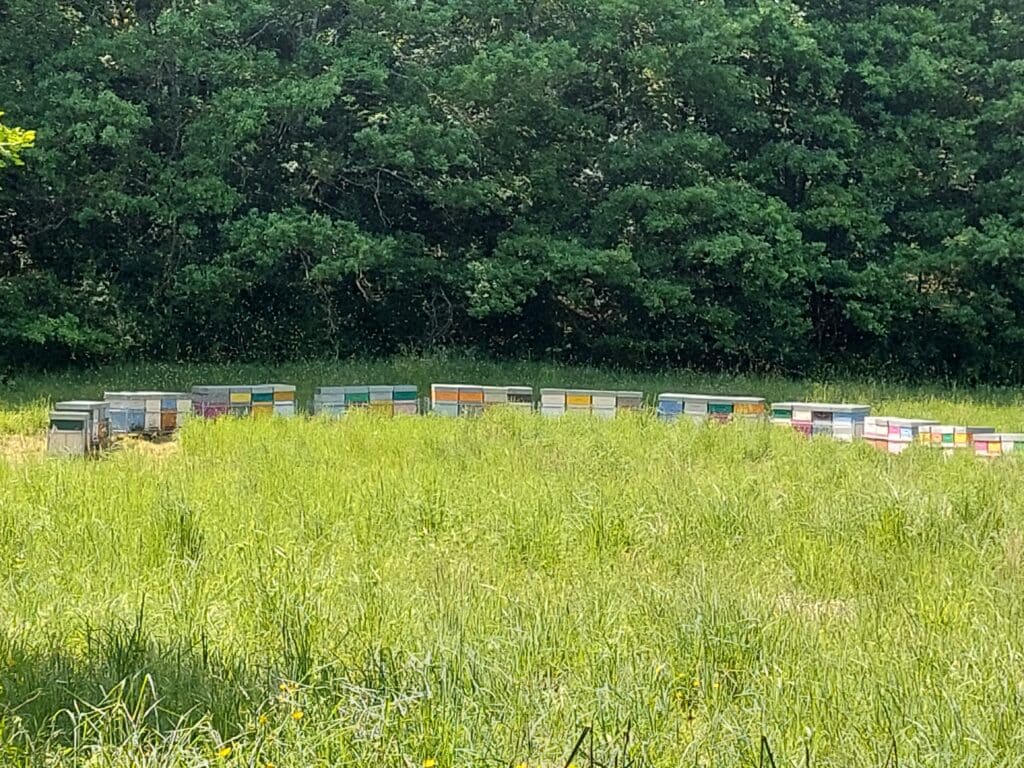
Native honey plants such asdogwood, blackthorn and hawthornare integrated between rows or along borders. These flowers attract pollinators such as bees and beneficial insects, which are essential for both plant reproduction and biological pest control.
Sustainable soil management
- Non-tillage of soil
- Avoiding tillage protects soil structure and preserves the microbial community.
- Organic mulching
- The use of biomass, shredded prunings and organic mulches maintains moisture and enriches the soil with organic matter.
- Mature composting and monitoring
- Regular introduction of compost and monitoring of soil quality ensure the balance of nutrient cycles.
Water management: a natural balance
Vineyards managed according to the MAN Method benefit from an ecosystem that requires no irrigation, even in the youngest vineyards. This is made possible by permanent ground cover, soil conservation practices, plant biodiversity that improves the soil’s ability to retain moisture, and above all by a planting system that preserves the roots without any pruning.
A structured and synergistic ecosystem.
The MAN Method demonstrates how a holistic approach to viticulture can integrate biodiversity, sustainability and resilience, creating vineyards that not only produce high-quality wines but also regenerate ecosystems. This approach represents a model for sustainable agriculture, capable of respecting nature and its resources.
The method takes a holistic landscape approach that transforms the farm into anintegrated ecosystem. This system includes vineyards, pastures, and forests even with non-productive areas that become wildlife refuges, contributing to biodiversity conservation.
Vineyard design is not limited to grape production, but considers the entire system, withboth melliferous and non-melliferous tree plantssurrounding the vines, creating natural synergies and improving soil health. This approach not only ensures environmental sustainability, but also provides crucial support for wine quality.
Soil: foundation of life and quality
Aliving, healthy soilis the key to regenerative and quality viticulture. Its functions go far beyond plant support:
- Carbon immobilization and water retention:
- A soil rich in organic matter is capable of retaining water and storing carbon, reducing dependence on external inputs.
- Basis for spontaneous fermentations:
- A viable soil improves the accumulation ofindigenous yeasts, as well as providing essential nitrogen and vitamins for optimal spontaneous fermentations.
Ultimate goal: Authentic, artisanal wines
The ultimate goal of the MAN Method is not simply to produce high-quality grapes, but to createauthentic wines,the result of an artisanal approach free from external inputs.
The link between thesoil microbiome, vine health, and indigenous yeasts is critical to making wines that fully expressterroir.
Role of the microbiome in vineyard and wine improvement
- Vine health and vitality:
- Thesoil microbiome, composed of bacteria, fungi and other microorganisms, is essential for vine health.
- Beneficial microorganisms increase the availability of essential nutrients, such asnitrogenandphosphorus, promoting balanced growth and reducing stress.
- Symbiosis with roots:
- Mycorrhizaeand beneficial fungi create a symbiotic network with roots, improving nutrient uptake and optimizing water balance.
- Resilience to stresses:
- Healthy soil makes vines more resistant tobiotic(pests) andabiotic(drought, salinity)stresses, contributing to stable, microflora-rich grape production.
- Indigenous Yeasts and Terroir
- Indigenous yeasts on grape skins are largely derived from the microbiome of the soil and surrounding environment.
- When the soil is rich in microbial biodiversity, the yeast population becomes more diverse and stable, improving the quality of fermentations.
- Distinctive aromatic profiles:
- Soil microbial diversity concurs in the complexity of fermentations, contributing to wines withcomplex and unique aromasthat express terroir.
Harmony between nature and wine.
Thanks to this holistic approach, the MAN Method demonstrates how an agriculture that respects the soil and biodiversity can lead not only tohigh-quality wines, but also to a regenerative vineyard ecosystem.
The connection between soil, vines and indigenous yeasts is not just a technical element, but a guiding principle for creating authentic wines that tell the story and soul of the land from which they come.
Impacts on winemaking
A vineyard with a healthy population ofindigenous yeastsoffers many benefits, contributing to wine production that enhances the authenticity of the terroir. Here are the main benefits:
- More stable spontaneous fermentations
- A rich and diverse microbial population ensures reliable natural fermentations, reducing the risk of sudden shutdowns.
- Greater expression of terroir
- Indigenous yeasts help create a unique flavor profile, best expressing the distinctive characteristics of the area.
- Optimal nitrogen supply
- The use of compost and nitrogen-fixing plants, such as clover and vetch, enriches the soil withorganic nitrogen, which is assimilated by the vines and stored in the berries. This ensures idealAPA(yeast assimilable nitrogen) contents, which are essential for smooth spontaneous fermentations.
- Presence of essential vitamins
- The soil microbiome produces B vitamins (thiamine, niacin, pantothenic acid), which are transferred to the plant and accumulated in the berries.
- Thiamine (B1), in particular, is critical for yeast growth and activity during fermentation, promoting a more robust and stable process.
- Reduced need for cellar operations
- A healthy microflora on the grapes therefore reduces the need to inoculate commercial yeasts or use correctors to support fermentation, making the process more natural and less invasive.
Regenerated soil: foundation for quality
Healthy, regenerated soil not only improves the quality of the grapes and the yeasts themselves, but provides essential nutrients, such as assimilable nitrogen and vitamins, forcomplex and robust spontaneous fermentation. This approach enhances the connection between soil, vine and wine, expressing the authenticity of terroir to the fullest.
Field trial: Experiences and scientific evidence.
I myself have observed the direct benefits of these practices over time. Spontaneous fermentations, which were initially slow and unpredictable, have progressively improved, with waiting times for fermentations to start greatly reduced.
But in addition to practical experience, scientific research also confirms the importance of the soil microbiome in determining grape and wine quality. Here are two recent studies:
- Study of Vino Nobile di Montepulciano (Tuscany)
- Researchers from the University of Bologna analyzed the soil microbiome in different geographical units of theVino Nobile di Montepulcianoarea.
- The results showed that specific abundances of bacteria and fungi in the soil directly influence key wine characteristics such asaroma, color and flavor.
- Link to the study
- Study on the microbiota of vineyards in Monforte d’Alba (Piedmont, Italy).
- Researchers from the Department of Agricultural Sciences examined bacterial and fungal biodiversity in vineyards in theMonforte d’Albaarea, correlating the data with production parameters such as leaf pH, yield per vine and phenolic seed maturity.
- Research has shown that greater microbial biodiversity in the soil is associated withsuperior production and quality characteristicsof grapes.
- Link to the study
- Researchers from the Department of Agricultural Sciences examined bacterial and fungal biodiversity in vineyards in theMonforte d’Albaarea, correlating the data with production parameters such as leaf pH, yield per vine and phenolic seed maturity.
This scientific and practical evidence shows that a regenerative approach to soil not only improves vineyard health, but has a direct and tangible impact on wine quality. The connection between the soil microbiome, indigenous yeasts and winemaking is central to achieving authentic, complex and distinctive wines that tell the story of the terroir from which they come.
Conclusion: A vineyard as a living ecosystem.
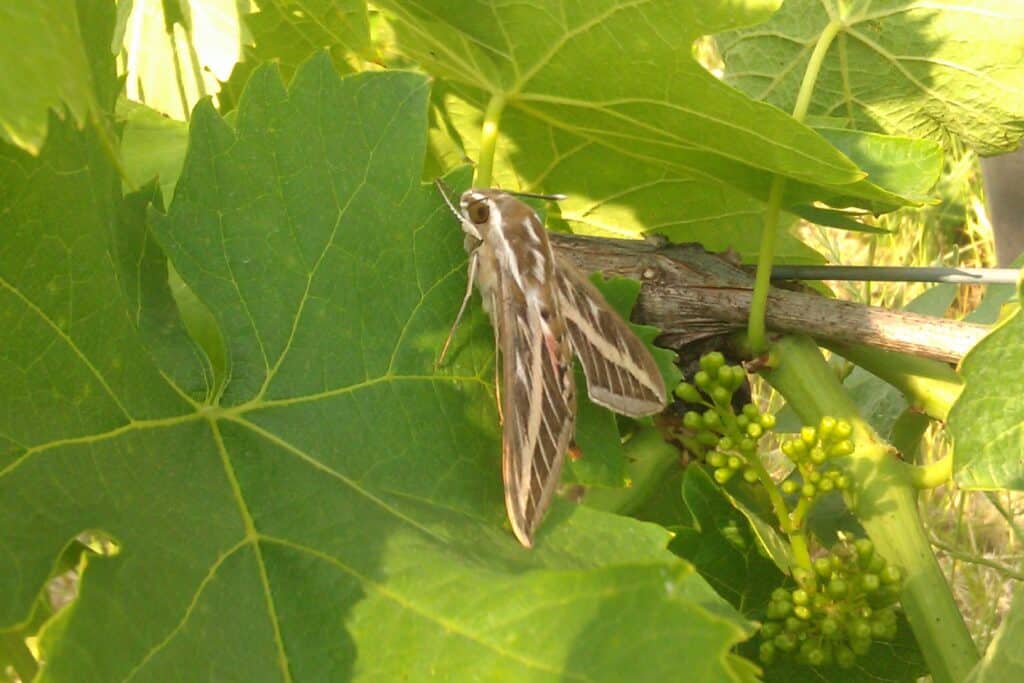
TheMAN Methodrepresents an approach capable of transforming the vineyard into a trueliving ecosystem,able to produce high-quality wines in perfect harmony with nature. This result is made possible by promoting biodiversity both below and above ground, and by integrating the vineyard into the surrounding landscape and environment.
The development of biodiversity in the understory is crucial because it stimulatessymbiotic interactionsamong plants, microbes and animals. Likewise, integrating other plant species into the vineyard helps createmycorrhizal corridors, natural networks that promote nutrient transfer and improve plant health.
The importance of preserving natural connections
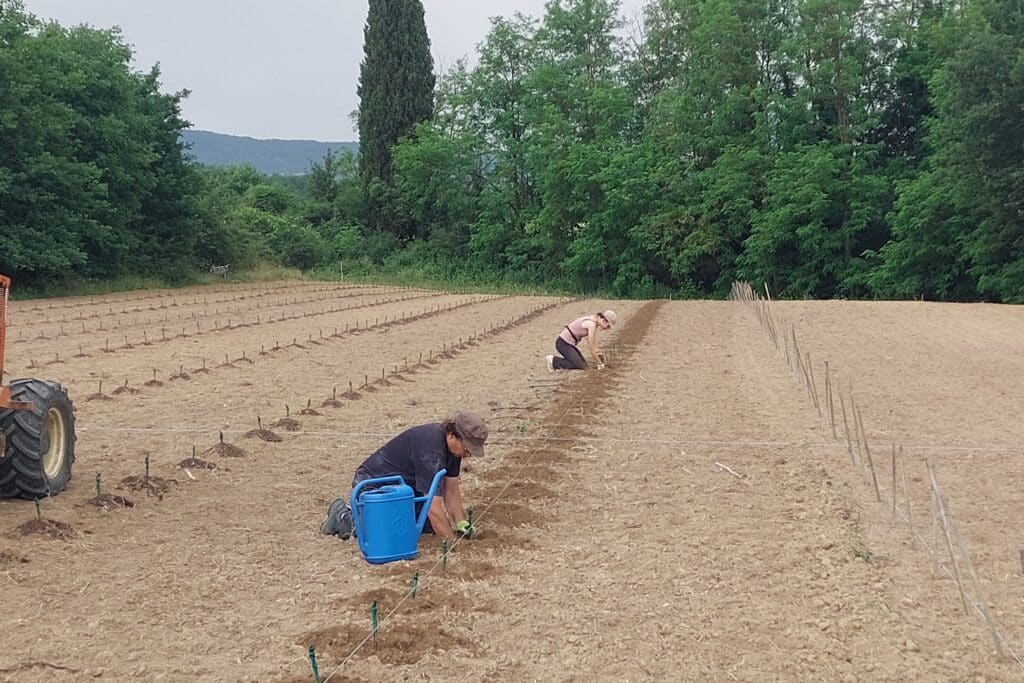
These mycorrhizal networks, however, are delicate and can be damaged by deep tillage. For this reason, the MAN Methoddoes not involve excavating the soil at planting. Instead, it relies on shallow cultivation no deeper than 30 cm, preserving the soil’s natural structure and the vital connections between roots.
A look at the next installment
In the next chapter we will explore an equally fascinating topic: the integration of vineyard,animal, and sustainable farming practices. We will discover how this synergy can further enrich the agricultural ecosystem and contribute to a more regenerative and environmentally friendly agriculture.
Stay connected!!!